 News
News Events
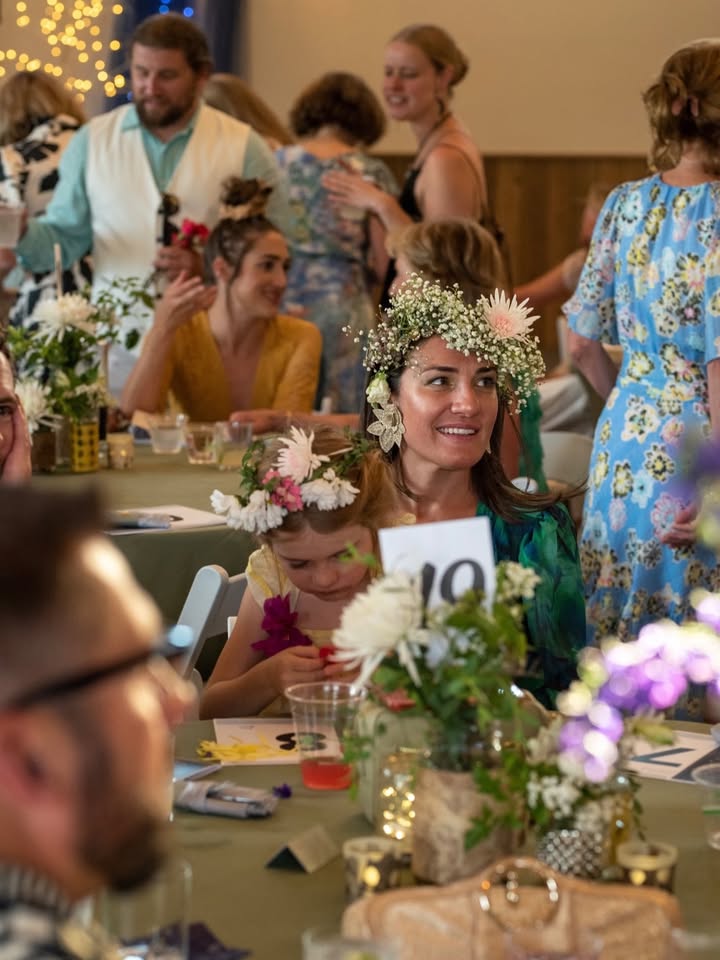
An unforgettable evening of art, community, and celebration awaits ✨
Join us for Clay & Moonlight, our largest fundraiser of the year, featuring incredible food and drink, live music, auctions, artist experiences, and an inspiring night in support of the arts at the Carbondale Clay Center.
Gather your friends, reserve your seats, and celebrate creativity under the moonlight with us.
Tickets are on sale now and this event is expected to sell out.
Purchase your tickets here: https://bit.ly/4wp6FXN
#keepcarbondaledirty #clay #pottery #clayandmoonlight
What role do you think community events play in supporting the arts?
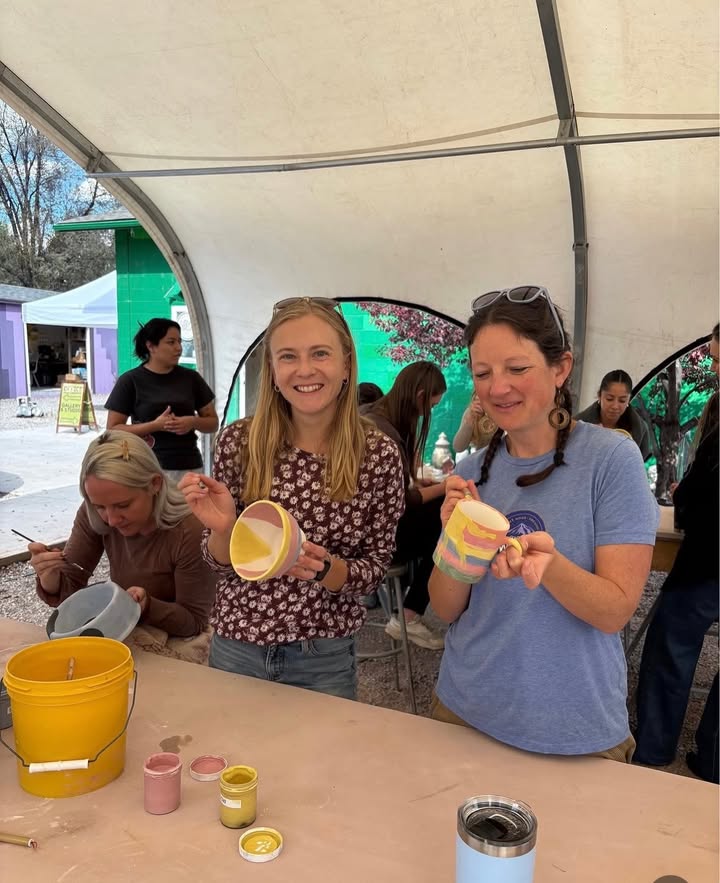
Spend your summer in the studio!
There’s still time to join us for a season of creativity, connection, and clay. From imaginative weeklong camps for kids to hands-on Summer Session classes for adults, we’re making space for all ages to explore and create.
Sign up now before sessions fill up — link in bio.
#keepcarbondaledirty #clay #pottery #ceramics
What creative activities do you enjoy doing during the summer?
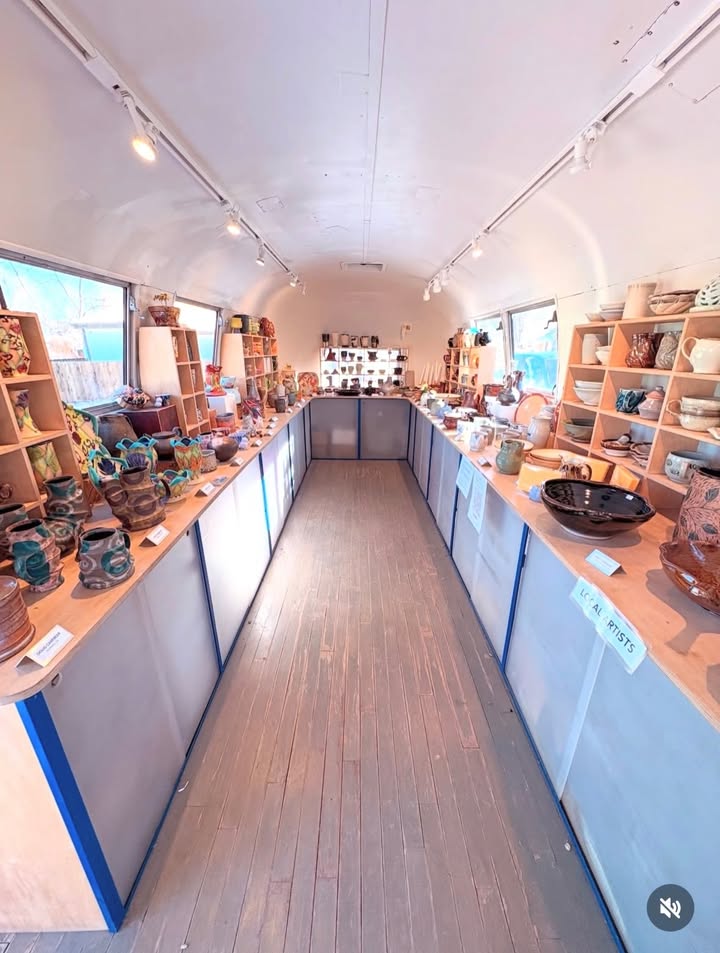
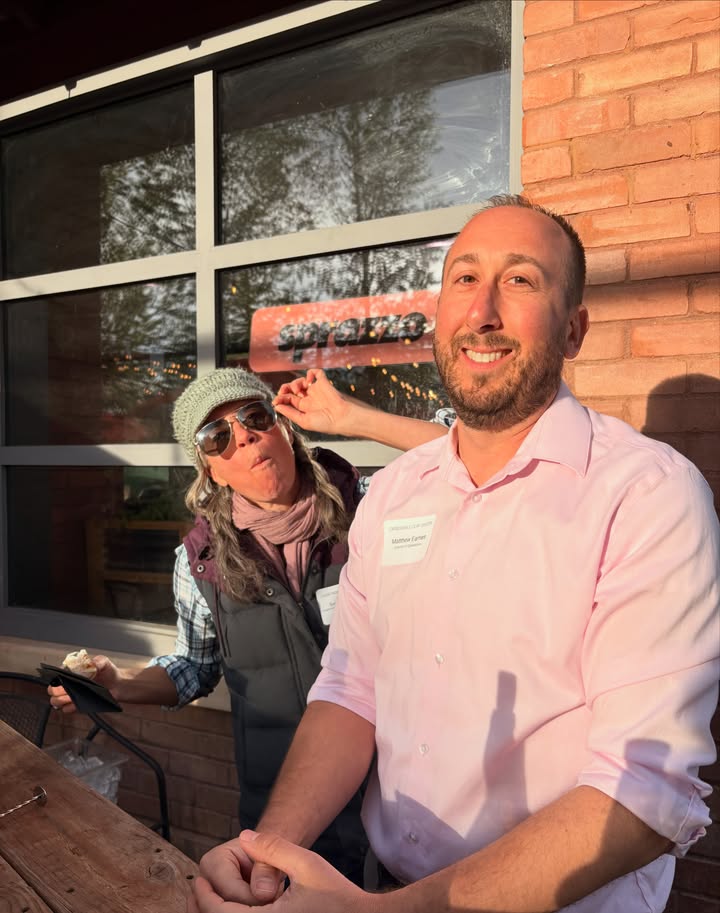
Thank you to everyone who joined us last night for such a meaningful evening of clay, community, and connection!
It was wonderful to gather together, share updates on the future of the Carbondale Clay Center, and celebrate the creativity and support that continue to make this community so special. We’re incredibly grateful to all who came to learn more, ask questions, raise a glass, and be part of the conversation.
A very special thank you to @sprazzo.carbondale for hosting us so beautifully, and to @marbledistillingco for their generous sponsorship and support of the arts.
We left the evening feeling inspired, energized, and deeply appreciative of this community. Thank you for being part of it.
#keepcarbondaledirty #clay #pottery #ceramics
What role does community play in your creative pursuits?
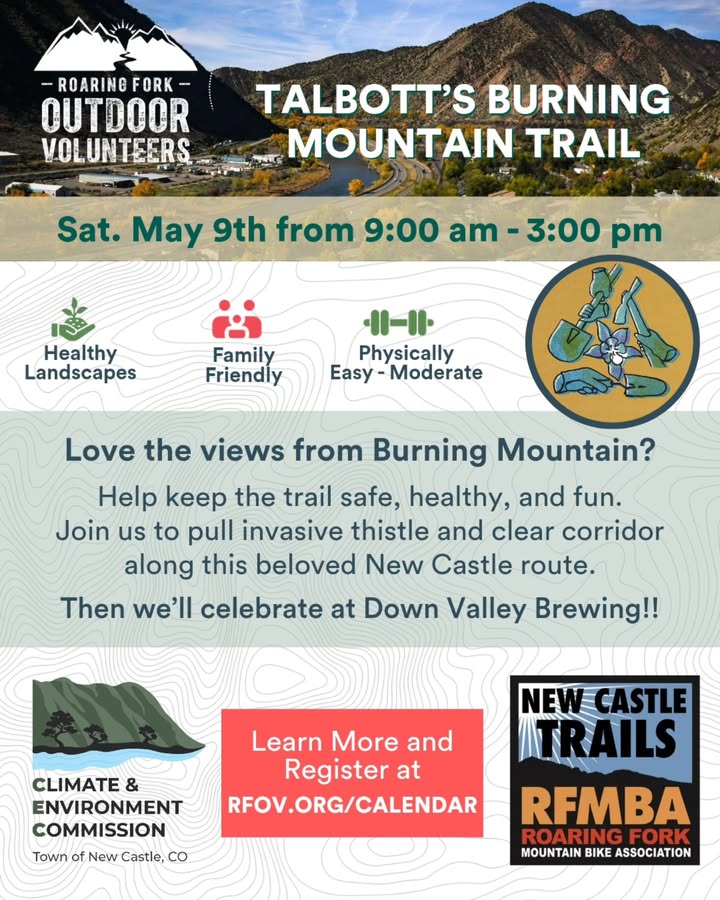
There's nothing like spending a day with your community doing something that makes a positive impact on the places we all love. This Saturday, May 9th, join your neighbors and fellow trail lovers to remove invasive plants along Burning Mountain trail in New Castle! We’ve partnered with @newcastletrails , @rfmba.mtb.trails, and the New Castle Climate & Environment Commission to take care of this trail together.
And when the work's done? We'll all head to @downvalleybrewing to celebrate a job well done!
Register at rfov.org/calendar
#newcastle #volunteeroutside #communitypowered #conservationinaction #restoration
How do you feel about community service events like this one?
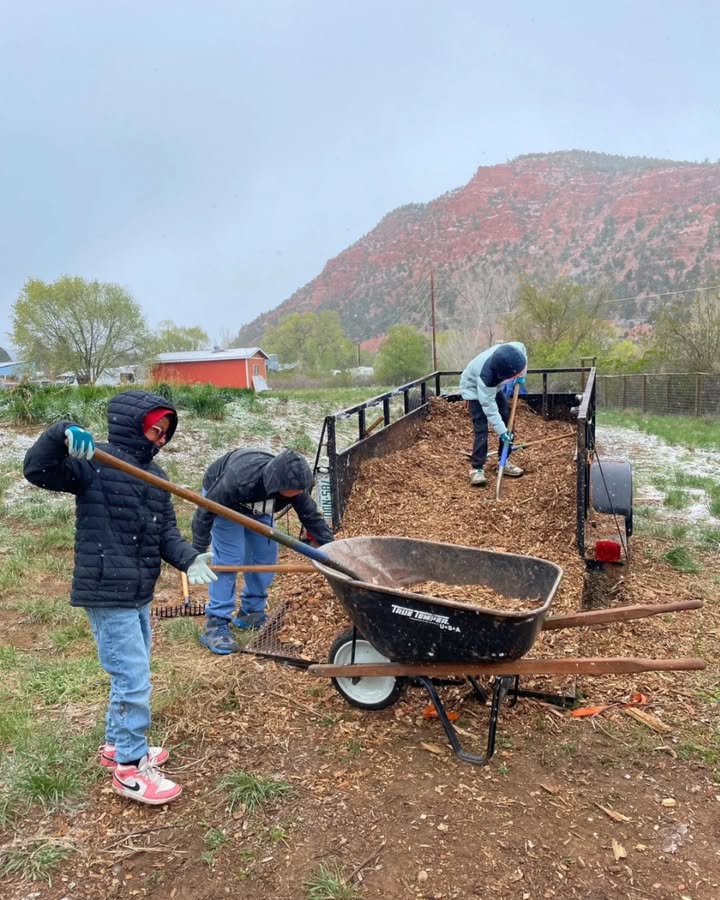
A little snow? No problem! We had our first Spruce Up Your School day of the season last month at @carbondale_community_school , bringing conservation work right to campus — and a few flurries weren't going to slow us down. Students rolled up their sleeves to clean up a forgotten garden, hauling trash, moving rocks, and prepping the space for new life.
Spruce Up Your School brings stewardship to the places students learn every day, so they can see the impact of their work and grow a lasting connection to the natural world. Learn more about our Young Stewards Programs at www.rfov.org/ysp!
#NextGenStewards #SUYS #Carbondale #YoungStewardsProgram
How do you feel about student involvement in community conservation efforts?
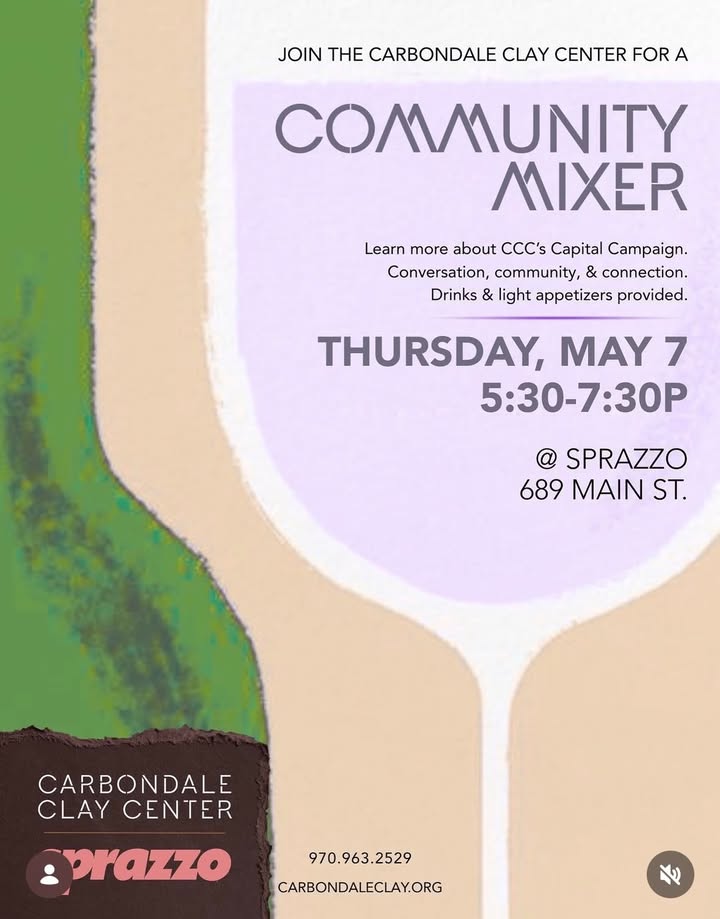
Tonight’s the night!! Join us for an evening of clay, community, and celebration ✨
We’ll gather on the patio at Sprazzo at 5:30 PM for drinks, appetizers, and a lively update on the Carbondale Clay Center’s capital campaign. Come connect, celebrate creativity, and help us keep Carbondale inspired (and a little dirty).
A heartfelt thank you to @marbledistillingco for their generous sponsorship, and to @sprazzo.carbondale for their continued support and partnership in bringing our community together.
We can’t wait to see you tonight!
#keepcarbondaledirty #clay #pottery #ceramics
How do you think community events like this benefit local creativity?
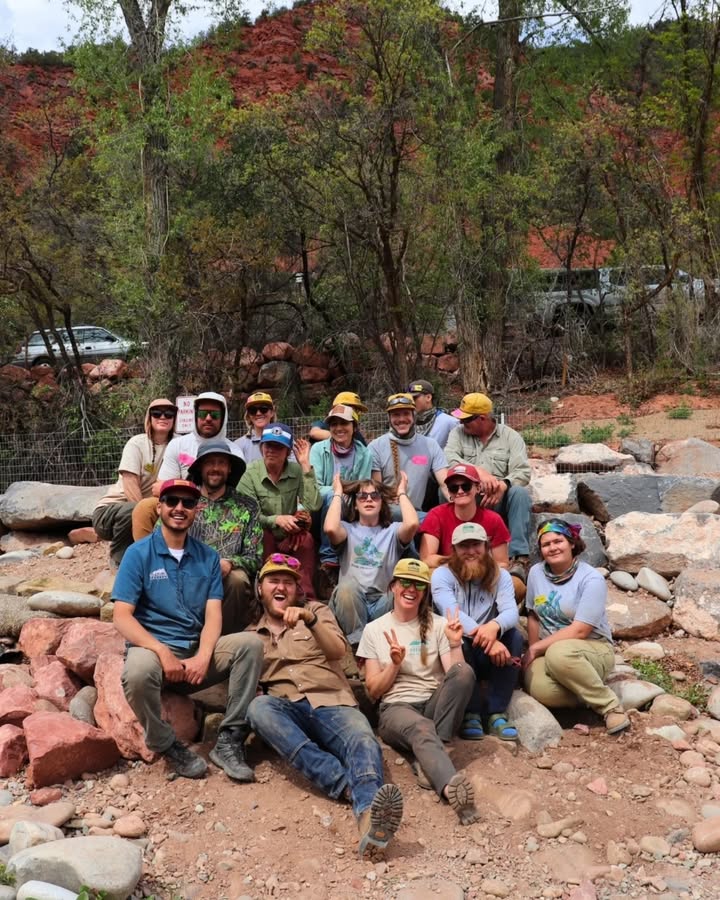
What a weekend! Volunteers and field staff came together for crew leader training, building a staircase and installing checksteps to improve river access for boaters at Sam Caudill State Wildlife Area. We moved massive rocks, problem-solved as a team, and dug into what leadership really looks like in the field. We're so grateful for these volunteers who go the extra mile — helping us build a culture of stewardship, support our land managers, and strengthen communities across the valley.
Huge thanks to @coparkswildlife and @roaringforkfishguidealliance for supporting this project!
Want to join in the fun? We've got community projects all season long, and if the hands-on trail work isn't your thing, our Trail and Project Ambassador programs are a great way to make a difference. Trainings coming up May 16th and 21st! Check the link in bio to find your fit.
#communityinaction #volunteeroutside #sharedoutdoors #giveback #teamwork
What motivates you to participate in community service projects?
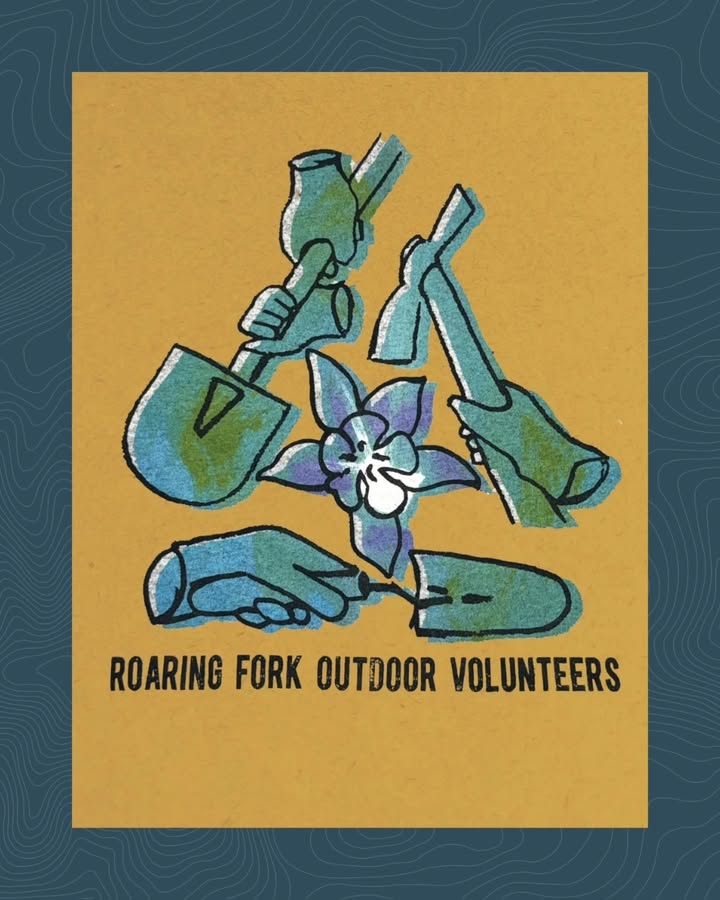
We’re so excited to share our 2026 season artwork, created by @the.project.shop ! Teen interns spent time learning about RFOV — our mission, our people, our work — and designed a piece rooted in collective action and community building.
The pattern echoes reduce, reuse, recycle, with gloves and tools waiting for someone to pick them up and get dirty. Consider this your invitation! The columbine ties it all back to Colorado and the land we're out here taking care of together.
The Project Shop screen printed this season's t-shirts, and our staff joined in for a hands-on team-building day, learning the art of screen printing and making shirts together. Each one turned out with its own unique color pattern — printed locally, one at a time, on shirts made from recycled materials. Volunteer at FIVE community projects and you get your very own t-shirt!
We love partnering with community-forward organizations like The Project Shop, and we're so grateful for what they brought to this season.
Our 2026 season if officially underway! Check out our calendar at www.rfov.org/calendar and sign up for a project.
#localart #communitybuilding #volunteeroutside #stewardship #communitypowered
How do you feel about community involvement in local art projects?
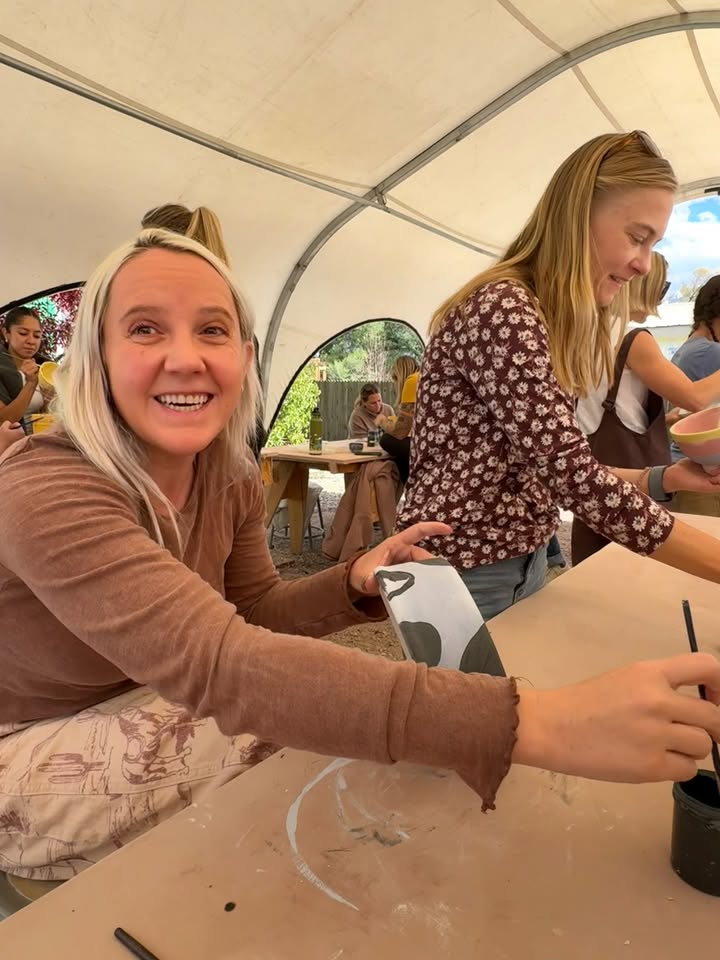
Summer plans, made easy!
There’s still time to get your hands dirty with us this season! From weeklong kids’ camps full of creativity and play to our Summer Session classes for adults, we’ve got something for everyone.
Don’t miss your chance to make, learn, and connect in the studio this summer.
Register now at carbondaleclay.org
📷: Abriah Wofford
#keepcarbondaledirty #clay #pottery #ceramics
What type of summer activities do you enjoy most and why?